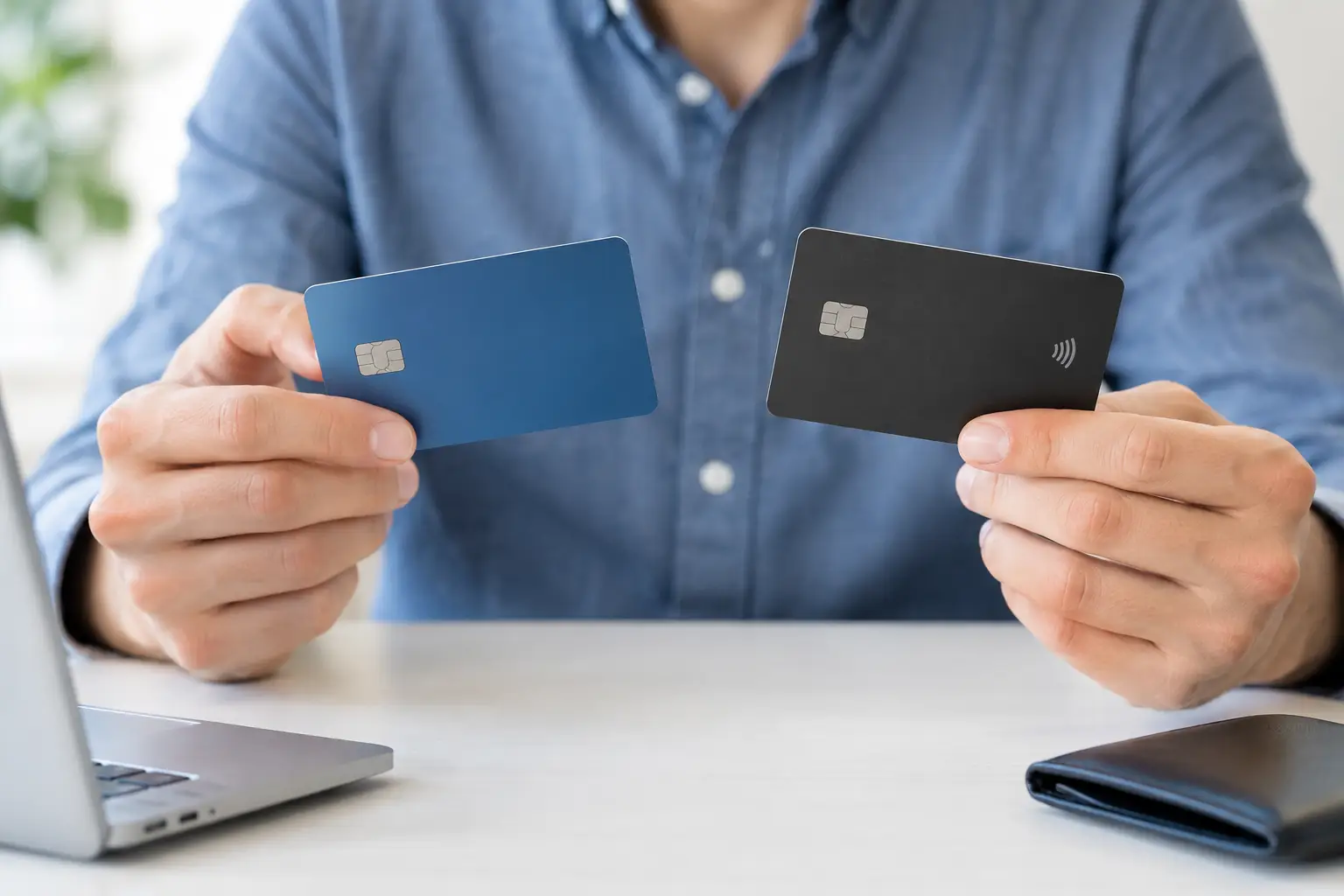
Prepaid Cards Versus Credit Cards Compared
A declined purchase can be frustrating. A surprise credit card balance can be worse. The choice between prepaid cards versus credit cards affects how you spend, how you handle emergencies, and whether your everyday purchases help build your financial future.
Neither card is automatically better. A prepaid card can put a firm boundary around spending, while a credit card can offer meaningful consumer protections and help establish credit when used with discipline. The right option depends on what you need the card to do, not simply what is easiest to get.
How prepaid cards work
A prepaid card is loaded with money before you spend it. Once the available balance reaches zero, the card generally stops working until you add more funds. It may carry a Visa, Mastercard, or other payment network logo, so you can often use it for online purchases, in stores, and for recurring bills where those cards are accepted.
Think of a prepaid card as a spending container. You are using money you already have, not borrowing from a lender. That can make it useful for a specific budget category, such as dining out, holiday shopping, or a teen's first spending card.
Prepaid cards do not usually require a credit check. That makes them accessible if you have no credit history, are rebuilding financially, or simply do not want another borrowing option in your wallet.
The trade-off is that prepaid cards can come with fees. Depending on the issuer, you might see monthly maintenance fees, cash reload fees, ATM fees, foreign transaction fees, inactivity fees, or charges for paper statements. A card that appears convenient can become expensive if you do not read the fee schedule first.
How credit cards work
A credit card gives you access to a revolving line of credit. You can make purchases up to your credit limit, receive a monthly statement, and then repay what you borrowed. If you pay the statement balance in full by the due date, you typically avoid interest on purchases.
That grace period is one reason credit cards can be useful. You may buy something today and pay for it after your next paycheck without paying interest, as long as you already planned for the expense and pay the full balance on time.
Credit cards can also report your payment behavior and account balance to the major credit bureaus. Consistent on-time payments and low balances can support a stronger credit profile over time. Better credit may help you qualify for lower rates on loans, more favorable insurance pricing in some states, and easier approval for housing or utilities.
But the flexibility has a cost when spending gets ahead of your plan. Credit card interest rates are often high. Carrying a balance from month to month can turn an ordinary purchase into a much more expensive one. Minimum payments keep an account current, but they can stretch repayment over years.
Prepaid cards versus credit cards: the differences that matter
The largest difference is simple: prepaid cards use deposited funds, while credit cards use borrowed funds. That distinction shapes almost every other feature.
Spending control and budgeting
Prepaid cards offer a hard spending limit based on the money loaded onto the card. If your entertainment budget is $150, loading $150 gives you a clear stop point. For people working to end overspending habits, that boundary can reduce the chance of adding to debt.
A credit card requires more active control. Your credit limit is not your budget. A $5,000 limit does not mean you can afford a $5,000 purchase. The amount you can safely charge is the amount already included in your spending plan and available in your checking account or sinking fund.
A practical system is to track credit card purchases as soon as you make them. Record the transaction in your budget, reduce the appropriate category, and keep the cash available to pay the statement balance. This lets you use a credit card's benefits without treating borrowed money as extra income.
Credit building
Prepaid cards generally do not build credit because no credit is being extended and most issuers do not report activity to credit bureaus. They can support good money habits, but they will not create a credit history by themselves.
A traditional credit card can build credit when the issuer reports to the bureaus and you use it responsibly. Pay every bill on time, keep utilization low, and avoid opening accounts you do not need. For a beginner, one no-annual-fee card used for a predictable bill can be enough to start establishing a positive record.
Do not confuse a prepaid card with a secured credit card. A secured credit card requires a refundable security deposit, but it is still a credit account. The issuer may report your payments to credit bureaus, making it a potentially useful option for building or rebuilding credit. Always confirm reporting policies before applying.
Fees, interest, and rewards
Prepaid cards do not charge interest because there is no borrowed balance. That is a meaningful advantage if you are focused on avoiding debt. Still, compare fees closely, especially if you plan to reload cash, withdraw money at ATMs, or use the card regularly.
Credit cards may have annual fees, late fees, cash advance fees, balance transfer fees, and interest charges. Yet many cards charge no annual fee, and paying the full statement balance each month can make interest irrelevant. Some also provide cash back, travel rewards, purchase protections, or extended warranty coverage.
Rewards are only valuable when you do not pay interest to earn them. Earning 2% cash back while carrying a balance at a high annual percentage rate is not a win. Build the habit of full payment first. Treat rewards as a small bonus, not a reason to spend more.
Fraud protection and purchase disputes
Both prepaid and credit cards can have protections against unauthorized transactions, but the details and timing can vary by issuer and card type. Review the cardholder agreement, set up transaction alerts, and report a lost card or suspicious charge immediately.
Credit cards often provide stronger dispute options for purchases that never arrive, are defective, or are billed incorrectly. Because you are disputing a charge before fully paying it, you may have more leverage than when money has already left a prepaid balance.
Prepaid cards can also be less convenient for certain situations. Hotels, car rental companies, and gas stations may place temporary authorization holds that tie up part of your available balance. If the card has limited funds, that hold could leave you unable to use it for other purchases until it clears.
Emergencies and cash flow
A prepaid card cannot cover a true shortfall unless you have already loaded enough money. That limitation is healthy for routine spending but may be difficult when an essential, unexpected expense arrives.
A credit card can provide short-term flexibility during an emergency, but it is not a replacement for savings. Use credit as a bridge only when you have a realistic payoff plan. An emergency fund, even one built gradually, provides more security because it does not create an interest-bearing balance.
Which card fits your situation?
A prepaid card may fit if you want a strict spending cap, need a card without a credit check, or want to separate money for a defined purpose. It can also be a useful teaching tool for a teenager learning to manage a limited balance.
A credit card may fit if you can consistently pay the statement balance in full, want to build credit, or value stronger purchase protections. It can be especially useful for recurring expenses already included in your monthly budget, such as gas, groceries, or a streaming subscription.
If debt is currently stressful or you have missed payments before, start with the system that lowers your risk. That might mean using a prepaid card for discretionary spending while you organize your budget, build a starter emergency fund, and create a debt payoff plan. You can add a credit card later when your process is stable.
Put the card inside a plan
The best payment tool cannot fix an unclear budget. Before choosing a card, look at your monthly cash flow. Identify fixed bills, debt payments, savings contributions, and realistic spending categories. Then decide where a prepaid limit or credit card charge supports that plan.
Finance Scoops encourages progress you can measure. Track your purchases, review your balances weekly, and give every dollar a purpose before it is spent. A card should make your financial system easier to follow, not harder to understand.
Choose the option that helps you make the next right decision: spend within your means, protect your cash, and keep building toward a stronger financial future.